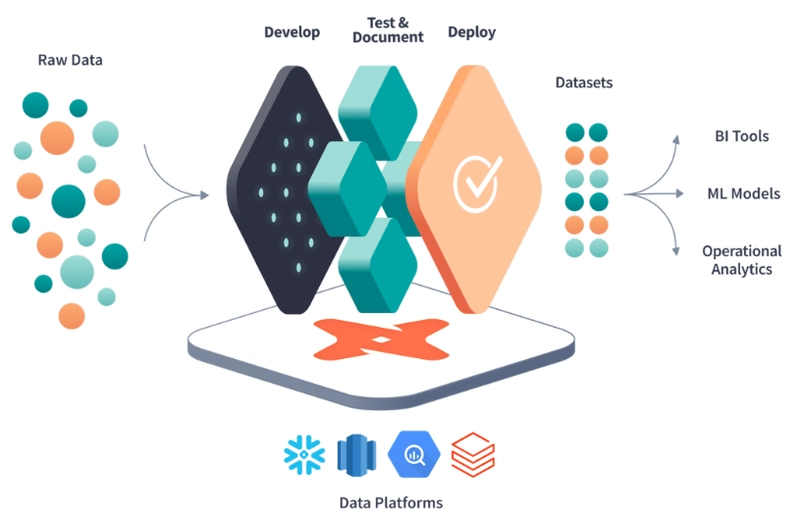

In the rapidly evolving landscape of modern data engineering, the ability to streamline transformation logic while maintaining rigorous standards of quality and efficiency is paramount for organizations aiming to leverage their data assets effectively. The dbt ecosystem has emerged as a cornerstone of this workflow, enabling analytics engineers to transform data within their warehouses using version control and software engineering best practices. Within this ecosystem, the utility of open-source libraries cannot be overstated, as they provide pre-built, battle-tested functions that save countless hours of development time and reduce the likelihood of errors in complex pipelines.
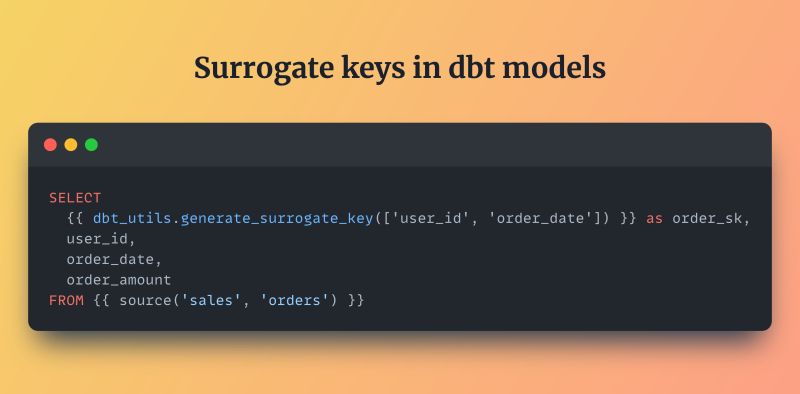
One such indispensable library is dbt utils, a collection of macros, tests, and utilities that significantly extends the native capabilities of dbt Core, empowering users to write cleaner, more modular, and more maintainable code. By integrating this package into your project, you gain access to a wide array of tools designed to handle common SQL patterns, such as generating surrogate keys, grouping data into buckets, or performing complex cross-database operations that would otherwise require cumbersome custom SQL logic. This article serves as a comprehensive guide to understanding the nuances of installing and configuring this powerful extension, ensuring that your data team can maximize productivity and adhere to the highest coding standards.
Embarking on the journey of integrating a new package requires a clear understanding of both the technical steps involved and the strategic benefits it brings to your overall data architecture. From the initial setup of your environment to the fine-tuning of configuration parameters, every step plays a crucial role in ensuring a seamless experience that aligns with your project’s specific requirements. We will delve deep into the prerequisites, the installation mechanics, and the post-installation verification processes, all while keeping in mind the constraints of SEO optimization and the need for clear, human-centric explanations that resonate with both novice and experienced analytics engineers alike.
The Role of dbt Utils in Modern Data Workflows
Enhancing Modularity and Reusability
The fundamental philosophy behind modular programming in data transformation revolves around the concept of writing a piece of logic once and utilizing it multiple times across various different models and contexts within your project. Dbt utils excels in this area by offering a suite of macros that abstract away repetitive SQL patterns, allowing engineers to focus on the specific business logic rather than the boilerplate code required to make SQL functions operate across different database platforms. By adopting these utilities, teams can significantly reduce the technical debt associated with maintaining complex custom scripts, as the community maintains and updates the logic to ensure compatibility with the latest versions of dbt and various data warehouses.
Standardizing Data Transformations
Standardization is a critical component of a scalable data strategy, particularly in environments where multiple analytics engineers are contributing to the same codebase simultaneously. When every team member uses the same set of utility macros for common tasks like pivoting tables, casting data types, or handling date intervals, the resulting code is inherently more readable and easier to debug. This consistency ensures that new team members can quickly understand the logic flow without having to decipher unique, bespoke SQL implementations for standard operations, thereby accelerating the onboarding process and fostering a more collaborative development environment.
Community-Driven Development
The strength of dbt utils lies not just in the code it provides but in the vibrant community of data practitioners that contribute to its ongoing development and refinement. By installing and configuring this package, you are effectively tapping into a collective intelligence pool that has identified and solved thousands of common data engineering challenges encountered across a diverse range of industries and use cases. This community-driven approach means that the utilities are constantly being stress-tested in real-world scenarios, ensuring that they are robust, reliable, and optimized for performance, which provides a significant advantage over relying solely on internally developed solutions that may not have undergone the same level of rigorous scrutiny.
Prerequisites for Installing dbt Utils
Setting Up Your Environment
Before attempting to integrate the package, it is essential to ensure that your local development environment and your production deployment infrastructure are correctly aligned to support external dependencies. You must verify that you have the correct version of dbt Core installed, as specific versions of dbt utils are often compatible only with corresponding versions of the core framework. Furthermore, ensuring that your integrated development environment is configured to recognize and parse YAML configurations correctly will prevent parsing errors that can occur during the initial project compilation phase.
- Verify that your dbt project is initialized with a standard directory structure including the necessary folders for models, macros, and tests.
- Ensure that your data warehouse credentials are correctly configured in your profiles.yml file to allow for successful connectivity during dependency resolution.
- Confirm that you have write permissions to the project directory to allow for the creation of new files and the modification of existing configuration files.
- Check your internet connection if you are relying on a package registry that requires online access to download the necessary source files.
- Review your operating system’s environment variables to ensure that no conflicting paths are interfering with the execution of the package management commands.
Package Management
Grasping the mechanics of how dbt manages dependencies is crucial for a smooth installation process, as it dictates how the core software locates, downloads, and integrates external code into your project. The package management system relies on a declarative configuration file where you specify the exact repository and version of the package you wish to include, allowing dbt to handle the rest of the heavy lifting. Understanding this mechanism helps in troubleshooting issues where packages might fail to load or where version conflicts arise between different dependencies that your project requires to function correctly.
Verifying Project Dependencies
A complex dbt project often relies on a myriad of different packages working in harmony, and introducing a new utility library requires careful consideration of how it interacts with your existing ecosystem. You should conduct a thorough audit of your current packages.yml file to identify any potential naming conflicts or macro overrides that might occur when adding the new library. This preemptive verification step is vital to ensure that the functionality provided by the new package does not inadvertently break existing transformations or tests that rely on similar logic defined elsewhere in your project.
Initial Configuration Steps in Your Project Files
Locating the Packages Configuration File
The first step in the physical installation process involves navigating to the root directory of your dbt project to locate the packages.yml file, which serves as the manifest for all external dependencies. If this file does not exist, you will need to create it manually, ensuring that it adheres to the strict YAML formatting standards required by dbt to parse configuration instructions correctly. This file acts as the central hub where you define the relationship between your project and the external libraries you intend to leverage, making it a critical component of your project’s architecture.
Defining the Package Source Correctly
Within the configuration file, you must specify the source of the utility library with absolute precision, typically pointing to the official Git repository or the dbt package registry. It is imperative to define the version constraints clearly, using semantic versioning to lock your project to a specific release or range of releases that you have tested and validated. This practice safeguards your pipelines against unexpected breaking changes that might be introduced in future versions of the library, ensuring stability and predictability in your production environments.
Handling Version Constraints Effectively
Managing version constraints is a delicate balancing act between accessing new features and maintaining the stability of your existing data workflows. You must decide whether to pin the package to an exact version number for maximum stability or to allow for minor updates within a specific range to benefit from bug fixes and patches. This decision should be guided by your organization’s change management policies and the criticality of the data pipelines that will be utilizing the functions provided by the package, ensuring that updates do not introduce operational risk.
Managing Dependencies and Project Integration
Resolving Package Conflicts
When working with multiple packages, there is always a possibility of macro name collisions where two different libraries attempt to define a macro with the same name, leading to ambiguity in execution. The dbt dependency resolver follows a specific order of precedence to determine which macro to invoke, and understanding this hierarchy is essential for debugging unexpected behavior in your transformations. You may need to explicitly namespace your calls or disable conflicting macros in your configuration to ensure that the correct logic is applied when your models are executed.
- Audit all installed packages to identify macros with identical names that could potentially override the functions provided by the utils library.
- Utilize the
dbt listcommand to generate a manifest of all available macros in your project environment to visualize potential overlaps. - Adjust the dependency order in your packages.yml file to prioritize the source of the macro you wish to use in case of a naming conflict.
- Document any overrides or exclusions in your project’s readme file to ensure that other developers are aware of the custom configuration.
- Regularly update your dependencies to a consistent state to avoid “dependency hell” where incompatible versions of libraries cause resolution failures.
Optimizing for Large Scale Data
In large-scale data environments, the efficiency of your SQL logic can have a significant impact on query execution times and warehouse costs. The utilities provided by the library are generally optimized for performance, but it is important to review the underlying SQL logic to ensure it aligns with the specific distribution and partitioning strategies of your data warehouse. By understanding how the macros generate SQL, you can make informed decisions about when to use a utility versus writing a custom query optimized for a specific table’s structure.
Integrating with Existing Macros
Seamlessly integrating the new utilities with your existing suite of custom macros requires a strategic approach to code organization and naming conventions. You should consider whether to replace your current custom functions with the standard utilities or maintain them for legacy support, weighing the benefits of standardization against the cost of refactoring existing models. This integration process often involves a gradual migration strategy where you incrementally adopt the new utilities in new models and refactor older models as part of your ongoing maintenance cycle.
Advanced Customization and Macro Utilization
Overriding Default Behaviors
While the library provides sensible defaults for a wide variety of use cases, there will be instances where the default behavior does not perfectly align with your specific business requirements. In such cases, you have the option to override specific macros by creating a local macro with the same name in your own project, which will take precedence over the package version. This technique allows you to customize the functionality to suit your needs while still leveraging the bulk of the library’s capabilities for other use cases.
- Copy the source code of the macro you wish to modify into your project’s macros directory to create a local override.
- Modify the SQL logic within the local file to implement your custom requirements while maintaining the original interface arguments.
- Add comments to the overridden macro explaining why the override was necessary to maintain clarity for future developers.
- Test the overridden macro extensively to ensure it interacts correctly with other macros and models in your project.
- Monitor the release notes of the package for updates to the original macro to decide if your custom override should be updated or removed.
Creating Custom Utility Extensions
For organizations with unique data processing needs, the existing utilities can serve as a foundation for building entirely new custom extensions that cater specifically to your operational patterns. By studying the coding style and structure of the existing macros, you can develop your own internal utility library that adheres to the same high standards, ensuring consistency across your entire codebase. This approach fosters a culture of reusability within your team and prevents the proliferation of one-off SQL scripts that are difficult to maintain over time.
Ensuring Compatibility with Data Platforms
Although dbt aims to provide an abstraction layer over SQL, there are still subtle differences in syntax and function behavior between data warehouses like Snowflake, BigQuery, Redshift, and Databricks. The dbt utils library handles many of these cross-platform differences natively, but you must remain vigilant about platform-specific limitations when implementing advanced features. Verifying the generated SQL for your specific target platform can help you catch potential compatibility issues before they affect your production jobs.
Troubleshooting Common Installation and Configuration Issues
Debugging Import Errors
Encountering import errors during the installation process is a common issue that usually stems from incorrect configuration syntax or network connectivity problems accessing the package repository. The error messages provided by the dbt CLI are generally verbose and point toward the specific line in your configuration file that is causing the issue, allowing for rapid rectification. It is important to methodically check your YAML indentation and syntax, as even a minor spacing error can prevent the parser from correctly reading your package definitions.
Addressing Performance Bottlenecks
After installation, you might notice that certain macros introduce performance bottlenecks, particularly when dealing with extremely large datasets or complex join operations. This is often not a bug in the utility itself but rather a result of how the macro interacts with the query optimizer of your specific data warehouse. Analyzing the query execution plans for models utilizing these utilities can help you identify inefficiencies and restructure your logic or data models to mitigate these performance penalties.
Managing Version Mismatches
As your dbt project evolves, you may eventually need to upgrade the version of the dbt core framework, which can sometimes lead to version mismatches with your installed packages. A utility library designed for an older version of dbt might contain deprecated syntax or rely on internal APIs that have been removed in the newer version, leading to compilation failures. Planning your upgrades carefully and consulting the compatibility matrix provided by the package maintainers can help you navigate these transitions smoothly and avoid disruptions to your data pipelines.
Conclusion
Installing and configuring dbt utils transforms your dbt project by providing robust, pre-tested macros that enhance efficiency and code standardization across your data workflows. By carefully following the steps for installation, managing dependencies, and troubleshooting potential issues, you ensure a seamless integration that leverages the power of the community to build better data pipelines. Ultimately, this empowers your team to focus on delivering high-quality insights rather than reinventing the wheel with every new SQL transformation challenge encountered.