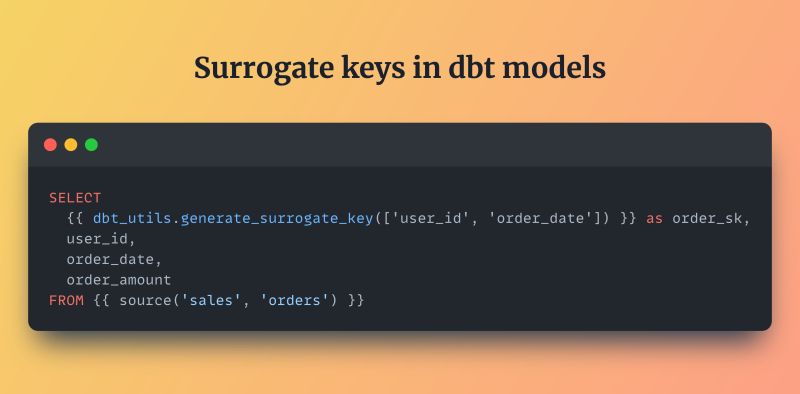
Data Build Tool (dbt) has revolutionized the way data teams approach analytics engineering by enabling version control and testing directly within SQL workflows. One of the most powerful features of dbt utils is its testing framework, which ensures data quality and reliability throughout the transformation pipeline. However, new users often find themselves confused between the standard, out-of-the-box tests provided by dbt and the extended capabilities found in the dbt utils package.
Understanding the distinction between these two types of tests is crucial for building robust data models that can scale with your organization’s needs. While native dbt tests cover fundamental data integrity checks, dbt utils tests offer a broader, more flexible set of utilities designed to handle complex scenarios often encountered in production environments. This distinction allows engineers to choose the right tool for the job, balancing simplicity with advanced functionality.
In this comprehensive guide, we will delve deep into the architectural differences, use cases, and implementation strategies for both native dbt utils tests and dbt utils tests. By exploring their unique strengths and limitations, you will be better equipped to design a testing strategy that ensures high-quality data delivery. Whether you are a beginner starting your journey or a seasoned pro looking to optimize your workflows, understanding these differences is key to success.
The Core Components of dbt
The Role of Data Build Tool in Analytics
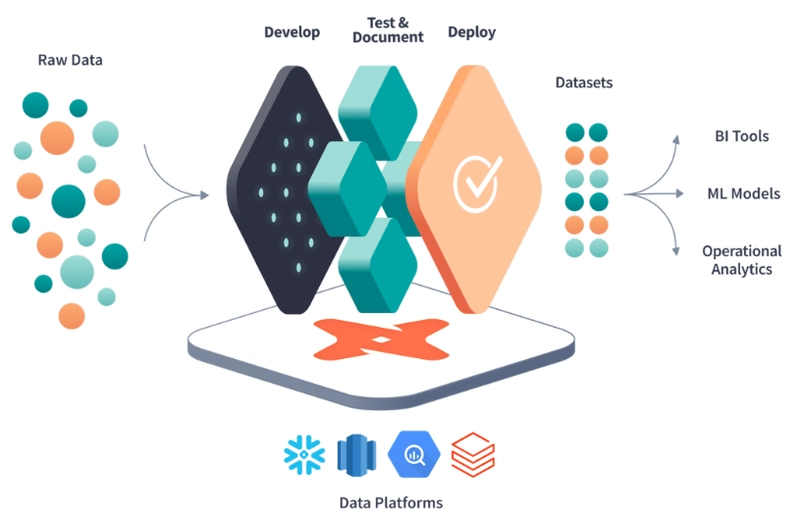
Data Build Tool, or dbt, serves as the transformation layer in the modern data stack, allowing analytics engineers to write transformations as SQL select statements while managing dependencies efficiently. It essentially turns your SQL scripts into a directed acyclic graph (DAG) of dependencies, ensuring that models run in the correct order every time. By treating code as infrastructure, dbt enables teams to collaborate effectively, version control their logic, and deploy changes with confidence.
Modular Transformation with SQL Models
The core philosophy of dbt revolves around modularity, encouraging developers to break down complex logic into smaller, reusable components known as models. These models are essentially just SQL select statements that reference other models or raw data sources, creating a clean lineage of data flow from raw sources to final metrics. This modular approach not only makes the codebase easier to understand and maintain but also significantly improves the efficiency of data transformation processes.
Why Testing Matters in Data Pipelines
Testing is the backbone of any reliable data engineering pipeline because it catches errors early in the development cycle before they propagate downstream to dashboards and business decisions. Without rigorous testing, bad data can lead to incorrect insights, causing significant financial and reputational damage to an organization. dbt integrates testing directly into the transformation workflow, making it a seamless part of the development process rather than an afterthought or a manual checklist.
Defining Standard dbt Tests
Basic Schema Validation Techniques
Standard dbt tests primarily focus on schema validation, ensuring that the structure of your data adheres to defined expectations and constraints without needing complex logic. These tests are declarative, meaning you simply state what you expect to be true, and dbt generates the necessary SQL to verify that condition against your warehouse. Common examples include checking if a column is unique, ensuring no null values exist where they shouldn’t, or verifying that a relationship exists between two different tables.
Referential Integrity Checks
Referential integrity is vital in relational databases, and standard dbt tests handle this through the relationships test, which validates that a foreign key in one table matches a primary key in another. This ensures that every record in a child table has a corresponding record in a parent table, effectively preventing orphaned records. This type of check is fundamental for maintaining consistency across different data models and ensuring that joins between tables will not result in unexpected data loss.
- Ensures foreign keys match primary keys.
- Prevents orphaned records in tables.
- Validates consistency across models.
Not Null and Uniqueness Constraints
The not_null and unique tests are the most frequently used standard tests in dbt, providing immediate feedback on fundamental data quality issues that might break downstream models. The not_null test scans a column to ensure that no values are missing, while the unique test ensures that no two values in a column are identical. These tests are essential for identifying primary keys and ensuring that critical data fields are populated correctly before they are used in downstream analysis.
Exploring the dbt Utils Package
Introduction to Open Source Packages
The dbt utils package is an open-source library maintained by the community that extends the functionality of dbt by providing a collection of macros and generic tests. While dbt core handles the basics, dbt utils fills in the gaps by offering solutions to common problems that many data teams face but are not included in the core package. It is a dependency that can be easily added to your packages.yml file, instantly granting access to a wide array of powerful utilities.
Generic Testing Utilities Overview
Within dbt utils, the generic tests are designed to be more versatile and cover scenarios that are often too specific or complex for standard dbt tests to handle efficiently. These utilities allow you to test for things like expressions, column sets, or even specific cardinalities between tables with minimal configuration. For instance, you can use utils to check if all values in a column are within a certain range or if a column group is unique, providing much deeper insight into data quality.
Advanced Expression Testing Capabilities
One of the standout features of dbt utils is its ability to test SQL expressions directly, allowing for assertions that go beyond simple column properties and into business logic validation. You can use the expression_is_true test to verify complex logic, such as ensuring that a discount percentage is always less than one hundred or that an end date is always after a start date. This capability bridges the gap between simple schema validation and full business logic verification.
Key Differences Between Native and Utils Tests
Complexity of Test Logic Comparison
Native dbt tests are intentionally simple, focusing on schema-level assertions that are easy to understand and quick to implement for broad data validation across the board. In contrast, dbt utils tests are designed to handle more complex logic that might require complicated SQL queries if written from scratch by a developer. While native tests act as a first line of defense, utils tests provide the heavy artillery needed to enforce intricate business rules and specific data standards.
- Native tests focus on schema simplicity.
- Utils tests handle complex SQL logic.
- Enforces intricate business rules.
Maintenance and Upkeep Differences
Because native dbt tests are built into the core framework, they require zero external maintenance and are automatically updated and backwards compatible with new dbt versions. However, dbt utils is a separate package that needs to be version-controlled and updated manually within your project environment to avoid breaking changes. This means that while utils tests offer more power, they also introduce a minor dependency management overhead that teams need to be aware of to ensure compatibility.
Flexibility and Customization Levels
Standard dbt tests offer limited customization options, mostly allowing you to configure arguments like quote or where clauses to filter data during the test execution. Dbt utils tests, on the other hand, are often built with more parameters and flexibility in mind, allowing data engineers to tailor the test execution to their specific needs. This flexibility makes utils tests a preferred choice for edge cases where the standard tests simply cannot capture the nuance required for valid data.
Implementing dbt Tests in Your Project
Installation and Configuration Steps
To get started with dbt utils, you simply need to add the package to your packages.yml file and run the dbt deps command to install the dependency. Once installed, the generic tests from dbt utils are available in your project just like the native ones, ready to be referenced in your schema.yml files. This seamless integration ensures that adopting these advanced tests does not disrupt your existing workflow or require a steep learning curve for your team members.
Writing Custom Tests for Specific Needs
Sometimes, neither standard nor utils tests are sufficient, and you need to write custom tests using SQL assertions in your tests/ directory to cover niche requirements. Dbt provides the framework to write these as select statements that return failing rows, effectively allowing you to write any test logic you can imagine. While powerful, over-reliance on custom tests can lead to code duplication, so it is always best to check if a utils macro exists first.
- Write custom SQL in tests directory.
- Select statements return failing rows.
- Check utils before writing custom code.
Integrating Tests into CI/CD Pipelines
Effective testing is not just about writing the tests but also about running them automatically whenever changes are made to the codebase to prevent regressions. Integrating dbt tests into a Continuous Integration and Continuous Deployment (CI/CD) pipeline ensures that bad data or code logic is caught before it reaches production. Most modern data platforms like dbt Cloud or GitHub Actions allow you to run dbt build or dbt test as a step in your deployment workflow.
Best Practices for Comprehensive Testing
Balancing Test Coverage and Performance
While it is tempting to test every single aspect of your data, excessive testing can slow down your pipeline and increase compute costs significantly if not managed carefully. It is important to strike a balance by focusing tests on critical data assets and high-risk transformations where an error would have the highest impact. Use native tests for broad coverage and deploy utils tests selectively to monitor complex logic without overwhelming your warehouse with redundant queries.
Documentation and Knowledge Sharing
Tests serve as a form of documentation, explicitly stating what the data should look like and what rules it must follow to be considered valid for analysis. By maintaining a well-documented testing strategy, you help new team members understand the data model faster and ensure that everyone is aligned on data quality standards. This transparency is crucial for long-term project maintainability and helps prevent institutional knowledge loss when team members leave the organization.
Future Proofing Your Data Architecture
As your data grows and evolves, your tests need to adapt to handle new schemas and changing business requirements without breaking the existing pipeline. Leveraging a combination of native dbt tests for structural integrity and dbt utils tests for logical consistency provides a robust foundation for scaling. This layered approach ensures that your data architecture remains resilient against changes, allowing your organization to scale its analytics capabilities without sacrificing data quality or trust.
Conclusion
dbt tests focus on fundamental schema validations like uniqueness and null checks, ensuring basic structural integrity. Meanwhile, dbt utils tests extend this functionality by offering complex, customizable utilities for specific business logic and advanced data scenarios. Utilizing both allows data teams to build comprehensive, resilient pipelines that maintain high-quality standards. By strategically combining these tools, you ensure data reliability while optimizing performance, ultimately fostering trust in your analytics.